- Teacher: Rizwan Majeed
Available courses
- Teacher: Rizwan Majeed
Introduction to the C++ computer programming language, focusing on syntax for primitive types, control structures, vectors, strings, structs, classes, functions, file I/O, exceptions and other programming constructs.
Detailed survey of computers, computing, and programming, with a detailed emphasis on understanding of Object-Oriented Programming and exploration of different programming languages.
Introductory course that provides the basic concepts, nomenclature, and historical perspective of computers and computing. Includes an introduction to software development and Object-Oriented Programming.
- Teacher: Teacher One
Detailed exploration of the design space of programming languages, specifically the functional, imperative, logic and object-oriented programming languages.

This course provides a foundational understanding of Learning Management Systems (LMS) and their role in modern digital education. Participants will explore how LMS platforms streamline teaching, learning, content delivery, communication, and assessment in academic and organizational environments. Through hands-on practice, learners will gain the skills needed to navigate an LMS, manage courses, interact with learning materials, and track learner progress effectively.
- Teacher: Admin User
- Teacher: DR. AUSIMA SULTAN MALIK
- Teacher: REENA EDGAR REENA EDGAR
- Teacher: DR. AUSIMA SULTAN MALIK
- Teacher: REENA EDGAR REENA EDGAR

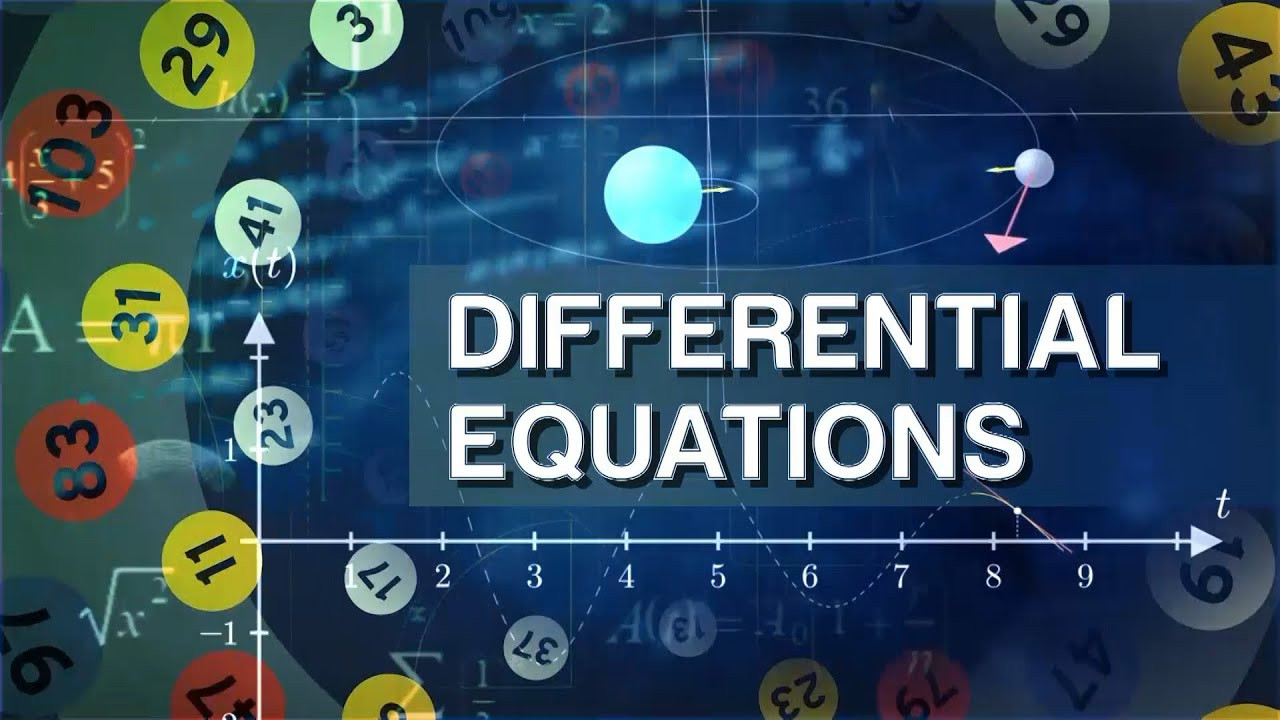
The main topics which are covered are as follow:
i. Ordinary differential equations and their solutions.
ii. Laplace transformation and its applications to differential equations.
iii. System of linear differential equations
iv. Partial differential equations (One dimensional Heat and Wave equations)
PRE-REQUISITE: 123201 - Calculus
CO-REQUISITE: None
TEXT AND MATERIALS:
Textbook:
Differential Equations with Modeling Applications by Dennis G. Zill
References Material:
Advanced Engineering Mathematics by Erwin Kreyszig
Differential Equations by Robert L. Devaney and Glen R. Hall
Ordinary and partial differential equations by R. Saxena
RELEVANT PROGRAM LEARNING OUTCOME:
The course is designed so that students will achieve the PLO(s):
Engineering Knowledge: An ability to apply knowledge of mathematics, science and engineering fundamentals and an engineering specialization to the solution of complex electrical engineering problems.
Problem Analysis: An ability to identify, formulate, research literature and analyze complex engineering problems reaching substantiated conclusions using first principles of mathematics, natural sciences and engineering sciences.
COURSE LEARNING OUTCOMES:
Upon successful completion of the course, the students will be able to:
Explain the basic knowledge of differential equations.
Apply the knowledge of differential equations arising in basic / complex engineering problems.
Compute the solutions of differential equations using different techniques.
PRACTICAL APPLICATIONS:
The study of differential equations is an application of the ideas and technique of calculus to our everyday lives. Differential equations have fundamental importance in engineering mathematics because many physical laws and relations appear mathematically in the form of such equations. Various physical and geometrical problem leads to differentials. In engineering applications, the problems of technical nature are changed into mathematical models which involve differential equations.
LECTURE PLAN:
(Each week three lectures)
- Teacher: Dr. Rahila Naz NAZ

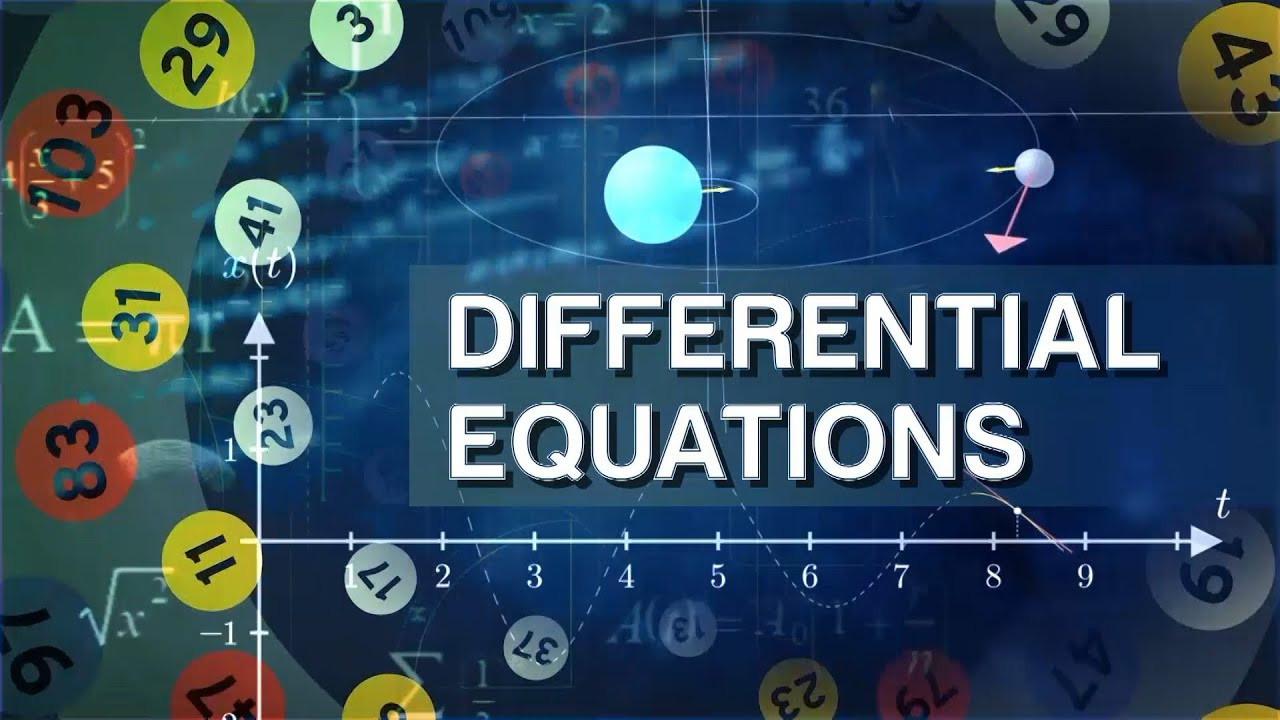
The main topics which are covered are as follow:
i. Ordinary differential equations and their solutions.
ii. Laplace transformation and its applications to differential equations.
iii. System of linear differential equations
iv. Partial differential equations (One dimensional Heat and Wave equations)
PRE-REQUISITE: 123201 - Calculus
CO-REQUISITE: None
TEXT AND MATERIALS:
Textbook:
Differential Equations with Modeling Applications by Dennis G. Zill
References Material:
Advanced Engineering Mathematics by Erwin Kreyszig
Differential Equations by Robert L. Devaney and Glen R. Hall
Ordinary and partial differential equations by R. Saxena
RELEVANT PROGRAM LEARNING OUTCOME:
The course is designed so that students will achieve the PLO(s):
Engineering Knowledge: An ability to apply knowledge of mathematics, science and engineering fundamentals and an engineering specialization to the solution of complex electrical engineering problems.
Problem Analysis: An ability to identify, formulate, research literature and analyze complex engineering problems reaching substantiated conclusions using first principles of mathematics, natural sciences and engineering sciences.
COURSE LEARNING OUTCOMES:
Upon successful completion of the course, the students will be able to:
Explain the basic knowledge of differential equations.
Apply the knowledge of differential equations arising in basic / complex engineering problems.
Compute the solutions of differential equations using different techniques.
PRACTICAL APPLICATIONS:
The study of differential equations is an application of the ideas and technique of calculus to our everyday lives. Differential equations have fundamental importance in engineering mathematics because many physical laws and relations appear mathematically in the form of such equations. Various physical and geometrical problem leads to differentials. In engineering applications, the problems of technical nature are changed into mathematical models which involve differential equations.
LECTURE PLAN:
(Each week three lectures)
- Teacher: Dr. Rahila Naz NAZ

This is an introductory course on Information and Communication
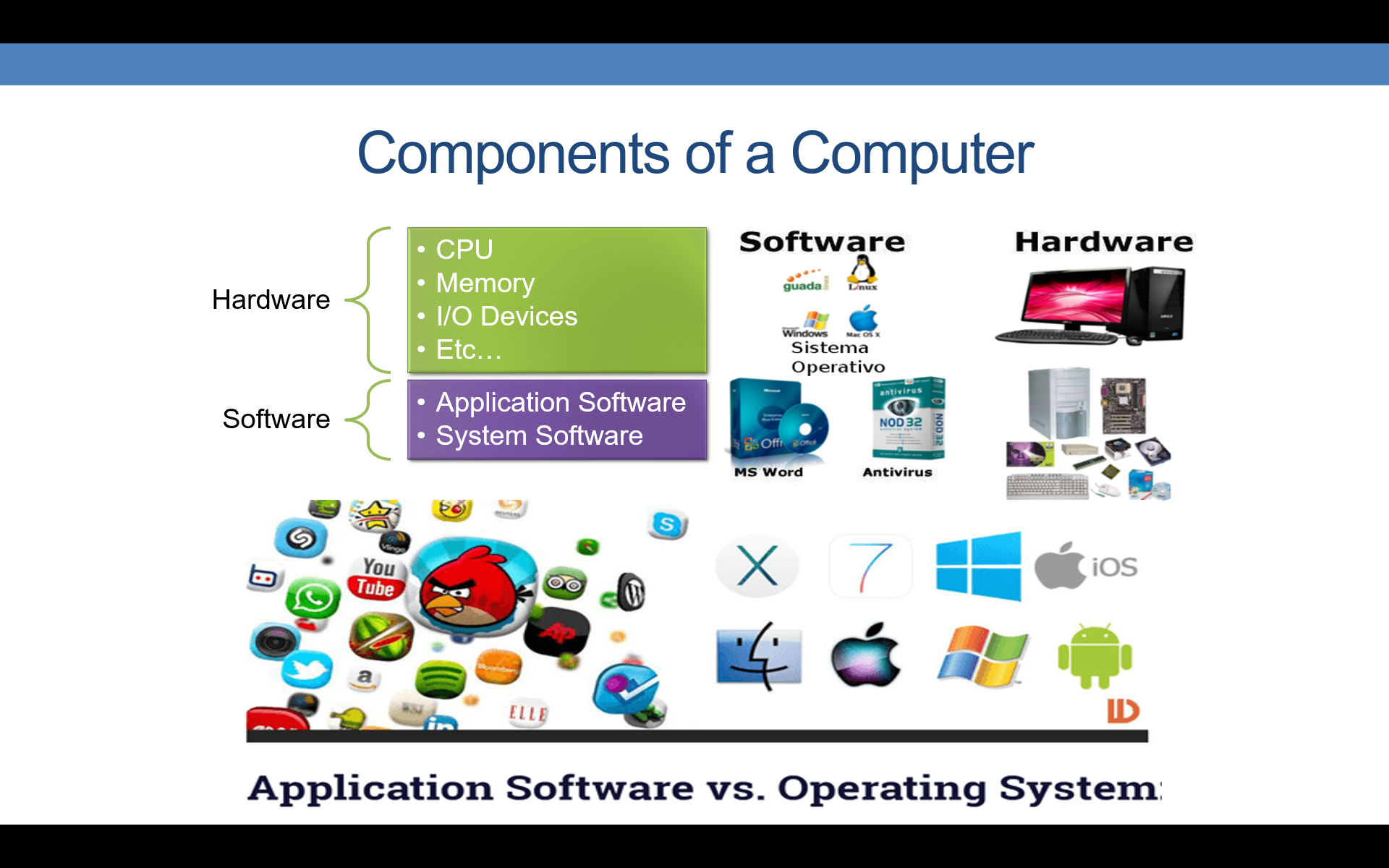
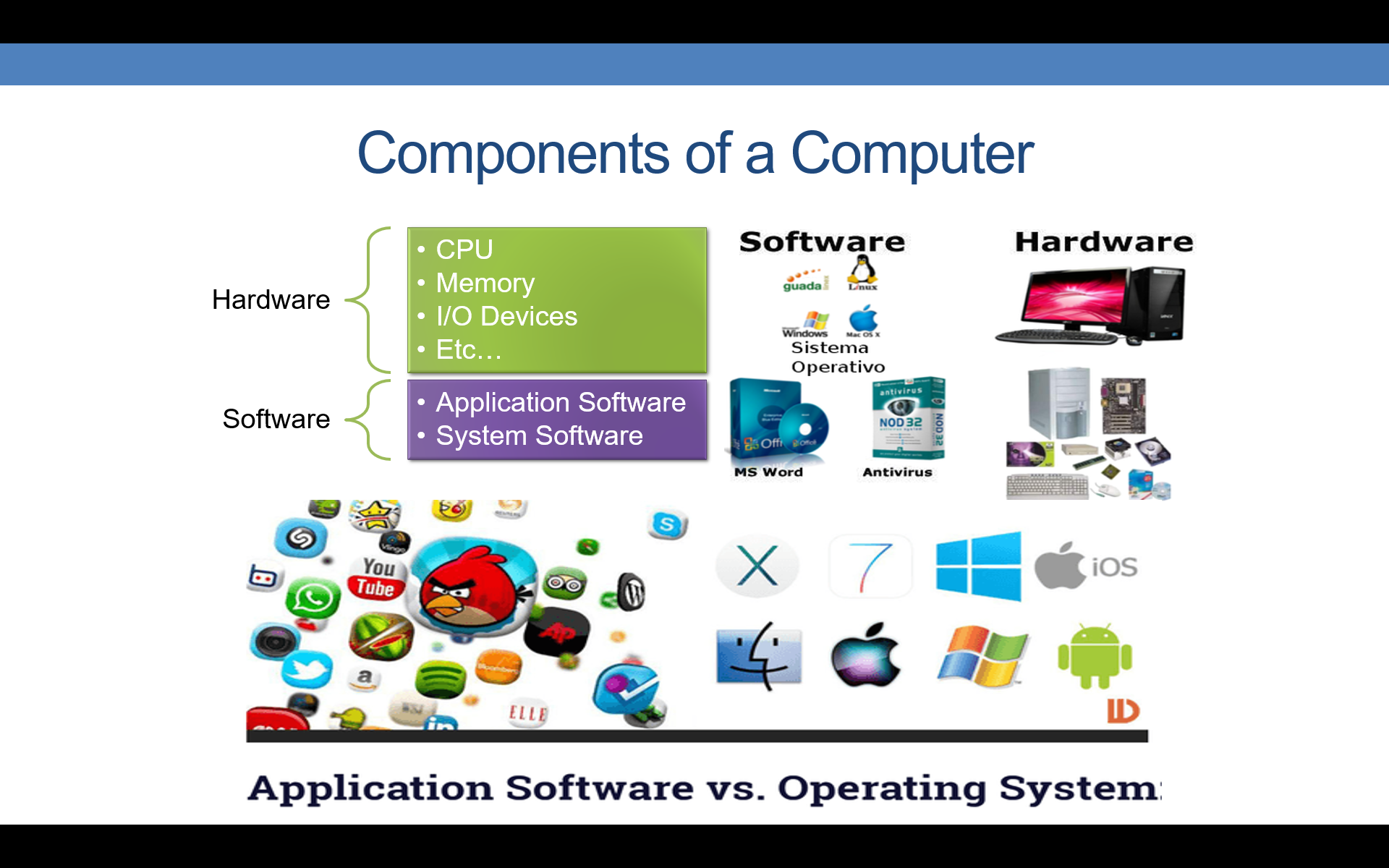
Technologies. Topics include ICT terminologies, hardware and software
components, the internet and World Wide Web, and ICT based
applications. After completing this course, a student will be able to:
Understand different terms associated with ICT
Identify various components of a computer system and networking
Identify various categories of software and their usage
Understand different terms associated with Internet and www
Use various web tools including Web Browsers, E-mail clients and
search utilities.
Use text processing, spreadsheets and presentation tools
Understand the enabling/pervasive features of ICT
Course Contents
Basic Definitions & Concepts
Hardware: Computer Systems & Components
Storage Devices, Number Systems
Software: Operating Systems, Programming and Application Software
Introduction to Programming, Databases and Information Systems
Networks, Data Communication
The Internet, Browsers and Search Engines
The Internet: Email, Collaborative Computing and Social Networking
The Internet: E-Commerce
IT Security and other issues
Text Books/Reference Books
1. Introduction to Computers by Peter Norton, 6th International
Edition, McGraw-Hill
2. Using Information Technology: A Practical Introduction to
Computer & Communications by W. Sawyer, 6th Ed. McGraw-Hill
3. Computers, Communications & information: A user's introduction
by Sarah E. Hutchinson, Stacey C. Swayer

- Teacher: Dr Qamar Ul Islam ISLAM

This is an introductory course on Information and Communication
Technologies. Topics include ICT terminologies, hardware and software
components, the internet and World Wide Web, and ICT based
applications. After completing this course, a student will be able to:
Understand different terms associated with ICT
Identify various components of a computer system and networking
Identify various categories of software and their usage
Understand different terms associated with Internet and www
Use various web tools including Web Browsers, E-mail clients and
search utilities.
Use text processing, spreadsheets and presentation tools
Understand the enabling/pervasive features of IC
Course Contents
Basic Definitions & Concepts
Hardware: Computer Systems & Components
Storage Devices, Number Systems
Software: Operating Systems, Programming and Application Software
Introduction to Programming, Databases and Information Systems
Networks, Data Communication
The Internet, Browsers and Search Engines
The Internet: Email, Collaborative Computing and Social Networking
The Internet: E-Commerce
IT Security and other issues
Text Books/Reference Books
1. Introduction to Computers by Peter Norton, 6th International
Edition, McGraw-Hill
2. Using Information Technology: A Practical Introduction to
Computer & Communications by W. Sawyer, 6th Ed. McGraw-Hill
3. Computers, Communications & information: A user's introduction
by Sarah E. Hutchinson, Stacey C. Swayer
- Teacher: Dr Qamar Ul Islam ISLAM
Students begin with foundational concepts such as the definition of surfaces, the distinction between surface and bulk properties, and the scope, background, and future of surface engineering. The course then explores surface modification strategies, including coatings, surface treatments, and design modifications, with emphasis on why and how surfaces are engineered for improved corrosion resistance, wear resistance, optical, electrical, biological, and chemical performance.
A significant portion of the course is dedicated to coating materials and processes, covering organic and inorganic coatings, deposition and growth mechanisms, electrochemical and chemical deposition techniques, and conventional coating methods such as hot-dip galvanizing and spray coatings. The course also introduces coating characterization techniques, challenges in coating design, and performance evaluation.
Advanced and futuristic coating technologies are discussed in detail, including Physical Vapor Deposition (PVD), Chemical Vapor Deposition (CVD), and Atomic Layer Deposition (ALD). Students learn the working principles, process parameters, advantages, limitations, and comparative analysis of these techniques, along with ALD characteristics such as digital thickness control and metal-organic precursors.
The course further covers vacuum science and vacuum pump systems, essential for thin-film deposition and surface analysis. Topics include vacuum regimes, gas behavior under reduced pressure, gas-transfer and entrapment pumps, and industrial vacuum applications.
In addition, the course introduces screen printing as a surface patterning and coating technique, explaining its principles, process steps, equipment, materials, and industrial relevance.
Overall, the course equips students with both theoretical understanding and practical insight into surface engineering technologies, preparing them to analyze, design, and apply surface modification techniques in research, industrial, and high-technology environments.
- Teacher: Dr. Muhammad Yasir YASIR
- Teacher: Muhammad Abdul Qadir Abbas ABBAS
- Teacher: MMir MOMINA MIR
- Teacher: Haroon Ibrahim IBRAHIM